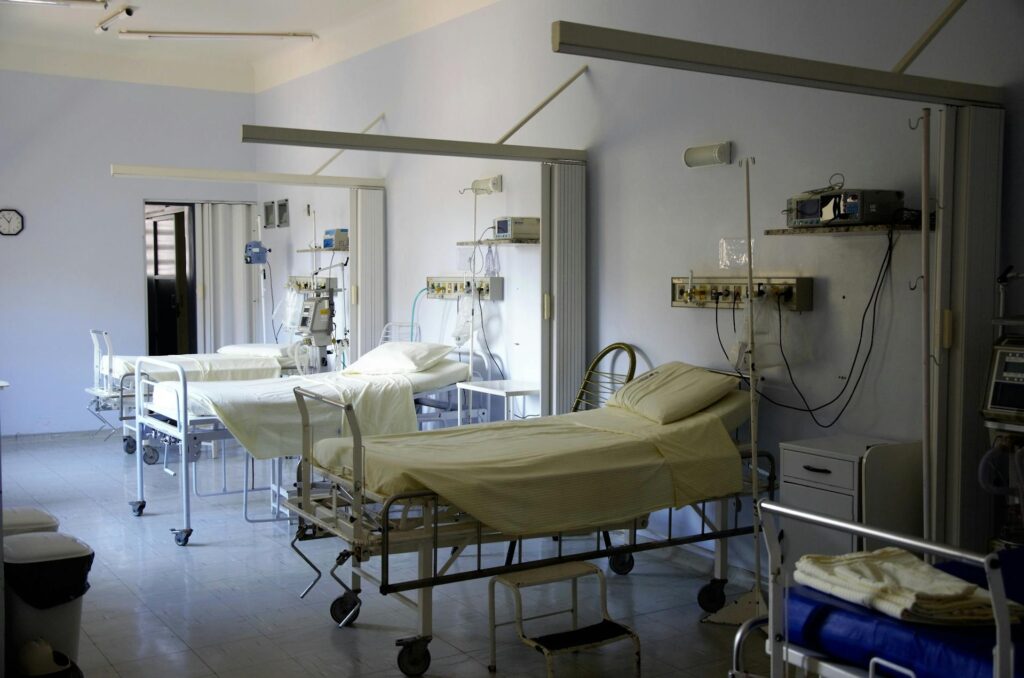
The NHS (National Health Service) is a wide and complicated system that requires a constant flow of some necessary supply and equipment to work efficiently from trusted vendors such as D&G Ofice Interiors. Although furnitures are often being overlooked, it still plays a crucial role inproviding a safe, comfortable and productive environment for patients and staff .
However, how does the NHS ensures a streamlined supply of a right furniture for dozens of hospitals and clinics? Here’s where the NHS Supply Chain enters the pictures.
The NHS Supply Chain: The Secret Weapon for NHS Furniture
The NHS Supply Chain serves as a central purchasing and logistic base for the NHS in UK. This centralised approach smoothen the procurement process and anchorage the NHS’s collective purchase power to hammer out better prices with furniture suppliers. Here is how the NHS Supply Chain manages furniture acquisitions:
Framework agreement: The NHS Supply Chain creates a framework agreement with authorized furniture suppliers. These contracts indicates the types of furniture available, the quality of the furniture, the cost breakdowns, and the delivery timelines. This make sures a consistent and dependable sources of furniture that satisfies NHS requirements
Categorization: Furnitures are categorized based on their own specific use which includes categories such as:
– Medical furniture and equiments: This includes examination tables, trolleys, and specialist chairs.
– Ward and residential furniture: This includes beds (patient beds excluded), chairs, and storage units for patient rooms and areas for staff.
– Challenging environment furniture : This covers furniture specially designed for specific needs, such as bariatric chairs or chairs that are dementia-friendly.
– Multi-Sensory Equipment: This encompasses equipment that is used in sensory rooms for patients with dementia or other cognitive impairments.
Supplier Selection: Companies that are interested in supplying furniture to the NHS need to go through a persnickety selection process. The NHS Supply Chain evaluates elements such as product quality, safety rule compliance, competitive pricing, and environmental sustainability.
Benefits of a Centralized System
The centralized approach of the NHS Supply Chain provides several benefits:
Cost saving: By leveraging bulk purchasing power, the NHS Supple Chain can hammer out better prices with furniture suppliers which saves more costs for the healthcare system.
Standardization: Framework agreements guarantees that the NHS’s furniture adheres to strict quality and safety standards. With this consistency, it helps lower down the risk of procuring unsuitable furniture and streamlines ordering procedures.
Efficiency: The chosen among the suppliers simplifies procurement and smoothen the process for individual NHS trusts. Trusts can find furnitures that they need without going through lengthy tendering processes.
Supporting NHS Trusts Throughout the Process
The NHS Supply Chain also offer supports to individual NHS trusts rather than just providing access to furniture throughout the procurement process:
Expert Advice: Dedicated teams within the NHS Supply Chain provide assistance on selecting the right furniture based on the based on specific needs and budgets.
Implementation Support: The NHS Supply Chain could assist with the implementation of new furniture, which includes providing training for staff on proper use and how to maintain it properly.
After-Sales Supports: The furniture suppliers usually offers after-sales service as part of the framework agreements, guaranteeing swift resolution of any problems.
Sustainable Innovation: The Future of NHS Furniture
The NHS Supply Chain is always modifying in order to meet the system’s ever-changing requirements. Here are some current trends:
Sustainability: Purchasing furniture made from sustainable materials and with energy-efficient design is becoming more and more salient, aligning with the NHS’s commitment to environmental responsibility.
Innovation: The NHS Supply Chain is willing to respond to innovative furniture solutions that ables to enhance patients care and staff well-being. This also includes ergonomic designs, antibacterial surfaces, and digital integration designs.
Furnishing the Future of Care
To conclude, the NHS Supply Chain plays a crucial role in making sure that NHS hospitals and clinics that uses appropriate furniture in order to give patients a high-quality care. By implementing centralized procurement system that utilizes value, standardization, and productivity, the NHS Supply Chain assist the NHS to maintain a well-furnished hospital environment for patient and staff.