Is Carpet Cheaper Than Vinyl Flooring?

When choosing between carpet and vinyl flooring many people ask, “Is carpet cheaper than vinyl flooring?” The answer depends on the type of flooring materials, installation costs and long term maintenance. Both carpet and vinyl flooring have their own advantages so they are suitable for almost any interior space.

In this post we’ll compare the two to help you decide on the best flooring for your space.


Cost: Carpet vs Vinyl

Carpet

Carpet flooring is a favourite for its warm and cozy look. Carpet tiles and luxury carpet are available in a massive range of patterns, textures and styles for residential and commercial spaces. But the cost of new carpet depends on the quality of the material, from budget to high end. Fitting costs can add to the overall cost especially when you install carpet with underlay for a softer feel.

Vinyl

Vinyl flooring, including luxury vinyl flooring, vinyl plank flooring and resilient sheet vinyl is seen as a cost effective option. It looks like wood or tile but provides a durable water resistant surface. For rental properties and corporate office spaces vinyl flooring cheaper than carpet can be a big advantage. Vinyl planks and LVT flooring are popular for easy installation with many opting for floating floor systems to make the process simpler.

Takeaway: In terms of upfront cost both carpet and vinyl flooring have affordable and premium options but vinyl planks and resilient sheet vinyl have lower base price for comparable quality.


Installation Costs and Installation Ease

Carpet Installation

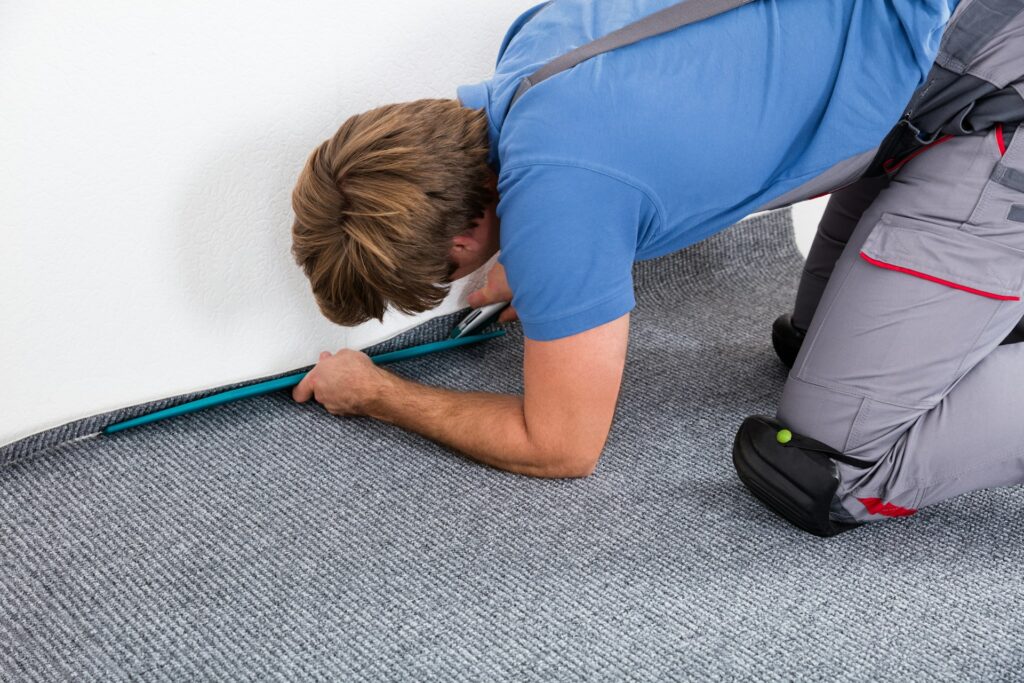
Carpet installation requires professional help in most cases as it involves laying a moisture barrier underneath, stretching the material and ensuring a perfect fit. Carpet installation is labour intensive so it’s more expensive in terms of fitting costs.

Vinyl Flooring Installation

Vinyl flooring is known for its ease of installation. Luxury vinyl planks and vinyl tiles have click lock systems or peel and stick options so it’s a favourite among DIYers. The floating floor method eliminates the need for adhesives so it’s less labour cost. Vinyl vs carpet installation is quicker and less labour intensive especially when compared to the process of installing carpet.

Takeaway: Vinyl flooring has lower installation costs so it’s a budget friendly option for both residential and commercial spaces. If you’re looking to renovate your house with new flooring, go to flooring solution specialist such as Nova Flooring Cardiff.


Durability and Maintenance: Carpet or Vinyl Flooring?

Carpet Maintenance

Carpet flooring is softer underfoot and retains warm air in colder climates. But it’s less durable in high traffic areas and requires regular vacuuming and occasional deep cleaning. Stains, wear layers and foot traffic can reduce its lifespan so it’s not suitable for high use areas like hallways or rental properties.

Vinyl Flooring Maintenance

Vinyl flooring especially luxury vinyl is highly durable and water resistant. Its non porous surface makes it easy to clean and maintain, resists stains and moisture damage better than carpet. Vinyl planks and resilient sheet vinyl is suitable for high traffic areas and environments like hospitality industry or corporate office spaces. The wear layer on luxury vinyl flooring can handle heavy foot traffic without showing much wear.

Takeaway: Vinyl flooring is more durable and low maintenance than carpet especially in high traffic or moisture environments.


Design Versatility and Aesthetics

Carpet

Carpet has a comfortable aesthetic and many design options from luxury carpets to budget friendly carpet tiles. It’s a soft landing for kids and cozy for bedrooms or living rooms. But some may find carpet’s design options limited compared to vinyl’s ability to look like natural materials.

Vinyl Flooring

Luxury vinyl flooring is a versatile option that looks like wood, tile and stone with realistic designs. Vinyl plank flooring is popular for its ability to replicate hardwood, the look of natural materials without the higher cost or maintenance. Vinyl flooring is suitable for any interior environment from modern rental properties to commercial spaces.

Takeaway: Both carpet and vinyl have design strengths but vinyl has more options if you want to look like wood or stone.


Environmental and Practical Considerations

  • Carpet: Carpet retains heat and is quieter by sound absorption. But it’s less water resistant and may need a moisture barrier underneath in some areas.
  • Vinyl Flooring: Vinyl flooring is water resistant and non porous so it’s perfect for kitchens, bathrooms and high traffic areas. It’s also a resilient flooring option for rooms prone to spills or heavy use.

Takeaway: Vinyl flooring is for spaces with moisture, carpet is for bedrooms or living rooms.


Final Decision: Carpet vs Vinyl

When choosing between carpet and vinyl flooring consider:

  • Cost: Vinyl has lower installation and maintenance costs so it’s more cost effective overall.
  • Durability: Vinyl’s wear layer and water resistance is perfect for high traffic areas and commercial spaces.
  • Aesthetics: Personal preference plays a big role. Both carpet and vinyl has many options to match your interior environment.
  • Practicality: Carpet is better for heat and sound absorption, vinyl is for moisture prone areas.

In the flooring industry, both carpet and vinyl flooring have their own set of advantages. Your choice depends on your needs, budget, and the specific room or environment you’re outfitting. Whether it’s a soft, comfortable landing or a resilient, water-resistant surface, both carpet and vinyl are strong contenders for your next flooring option.

Why Hire A Professional Landscaper

Pathway Between Pink Tulip Flowers

As a proud homeowner, you will want to keep your garden and the grounds of your property looking as good as the property itself does on the exterior and interior. Although you may want to save some money by taking care of it by yourself, there is a lot involved. From the designing and planning to the building and maintenance, you need to consider whether you have enough time or whether it may be worth hiring a professional landscaper.

To help convince you that this is the right move, we are going to discuss several key reasons why you need a landscaper.

Time-Saving and Convenient

Sure, it is a nice achievement to work in your own garden. To know that you’ve put a lot of blood, sweat, and tears into it. Well, it is when things go according to plan. As you are not a professional though, it is less likely to go to plan and could take you a lot of time to complete.

Your time is precious. Our modern lives are so busy now and you may struggle to find the time in your weekly schedule to commit to doing anything in the garden or around the exterior of your property.

That’s why, if you hire a professional to do it for you, you are saved the extra work and have free time to enjoy with your family and friends. You can sit back and enjoy the fruits of the labour, even if it wasn’t your own labour.

Professional Landscapers Have Access to The Best Equipment and Tools

Maybe you want to save a little bit of money by taking on the work yourself. However, you need to remember that professional landscapers have access to the best equipment and tools. Some of the items they use to complete the work they do to a high standard you won’t have in your tool shed.

If you did try to do it yourself and were unfamiliar with one of the tools or pieces of equipment, you could cause problems. Problems that you may need to hire a professional landscaper to correct, so why not save yourself some stress, time and money?

They Know Their Craft

As commendable as it is to have a go at something you have no specialist training or experience in, it may not produce the results you really want for your garden. Whereas if you hire a professional who works on landscape projects week in, week out, whether they are big, small, complex or simple, you get a wealth of experience and insider knowledge at your disposal.

They will be able to come in, plan out according to your requirements and then start preparing the area before wasting no time and getting to work clearing, tidying and bringing your garden to life.

Landscapers spend their working week around plants and if you hire a local professional, you will get the benefit of their expertise as to which plants work best and which don’t. Thanks to the fact professional landscapers work in the industry, they often have connections with suppliers and retailers and know where to get the best plants to really make your garden perfect.

Unless you are a big fan of plants and flowers already, it could take you much longer to hunt down just the right species and it’s unlikely you would get them for the same price as a professional.

Save You Money

Despite their actual fee, which can be quite expensive depending on where you are, hiring a professional in the long run could be more economical. They are unlikely to make costly mistakes and as labour, equipment, and materials will be factored into their fee, there is not a whole host of additional costs you need to worry about when hiring a professional.

Which type of decking is the most low-maintenance?

Construction materials used to create garden decks such as wood and later plastic are susceptible to various problems that require regular maintenance work or the complete replacement of decking systems. Faults with these substances led to a search for a low-maintenance building material that resulted in the development of composite decks that require little expenditure of time, money or effort for their upkeep.

Hardwood garden decking

Although hardwood is stronger and more durable than softwood garden decks are exposed to the elements which results in fouling and the need for regular maintenance work such as sanding and oiling every year or two. Due to the time it takes for slow-growing hardwood trees to attain maturity the use of this type of timber in construction projects has become controversial with alternative building materials being sought. Popular hardwoods used in garden decking such as teak and mahogany originate from the tropics and the felling of these trees for lumber has resulted in widespread deforestation which has a detrimental effect on ecosystems.

Plastic garden decking

Despite plastic’s reputation as an imperishable material its use in the construction of garden decks often leads to poor-quality results with compromised structural integrity, inferior aesthetic appeal and a greater need for maintenance work than might be expected. Although attempts have been made in plastic garden decking technology to address these issues these types of deck remain unpleasing to the eye, tend to expand or contract in hot or cold weather and they are prone to cracking, warping as well as bowing. Until these pressing concerns have been rectified it stands to reason that superior construction materials should be used in the building of garden decks.

Softwood garden decking

Softwood garden decks require the most maintenance work and tend not to last as long as decking made from other materials. While it is true that softwood is a cheaper timber than hardwood and that the faster-growing trees from which it is cut are easier to replace than slower-growing varieties it is inferior as a building material and its high-maintenance characteristics and short life-span may result in greater expenses in the long-run. Water-absorbent softwood tends to rot and moulder leading to slippery surfaces that cause health-and-safety issues. Brittle softwood is likely to crack and split while environmental factors often cause it to warp.

Composite garden decking

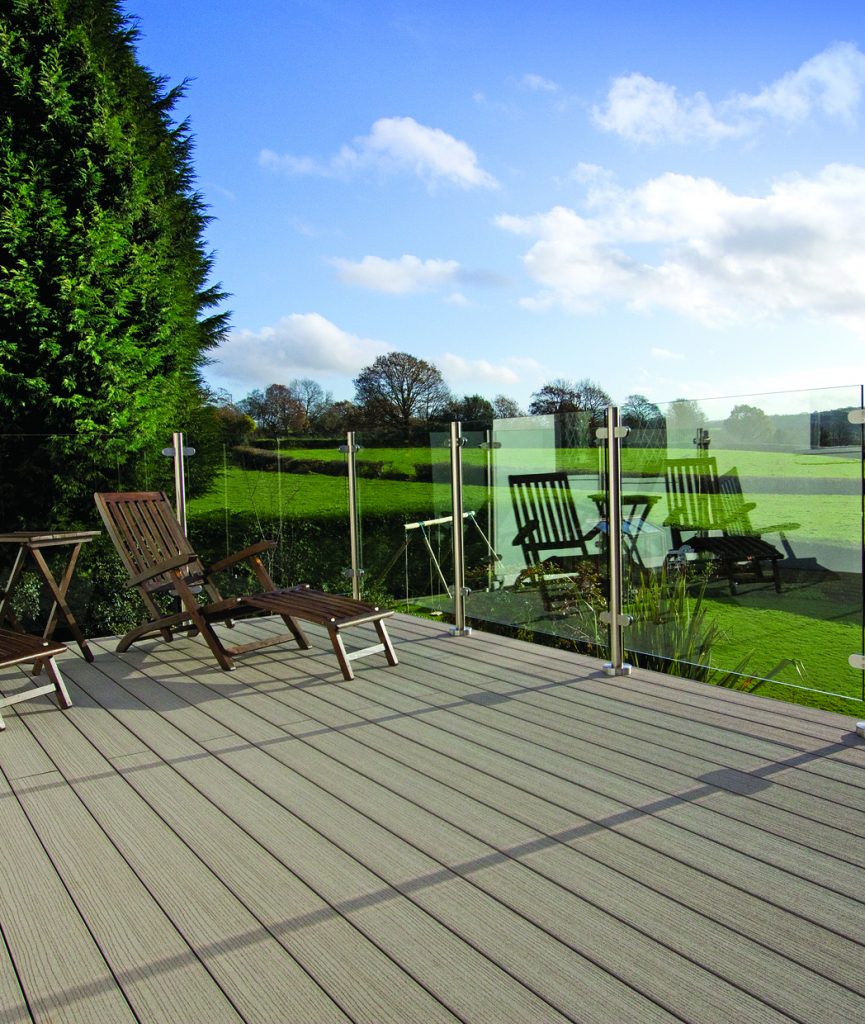
Composite decking represents the most advanced form of decking technology available at the present time and was developed to remedy those ailments associated with decking systems constructed from wood and plastic. A combination of recycled hardwood and polymer resin results in a durable material that neither cracks nor rots and its use in the building of outdoor decking allows for some of the most low-maintenance garden decks on the market today. Low-maintenance composite garden decks are easy to clean and do not need to be painted, sealed or stained while its anti-slip properties decrease the chances of accidents in inclement weather when decking is prone to become wet, such as swimming facilities and pools.